



Neither Prime Minister Benjamin Netanyahu’s ruling right-wing coalition nor the main opposition alliance secured the required majority to form a government in Israel’s general election. With 88.62 percent of votes counted, the 120-seat Knesset faces a complete political stalemate. While a historic 19 seats won by Arab-led parties opens a path for an alternative governing bloc, internal ideological rifts within the opposition have cast doubt on its viability.
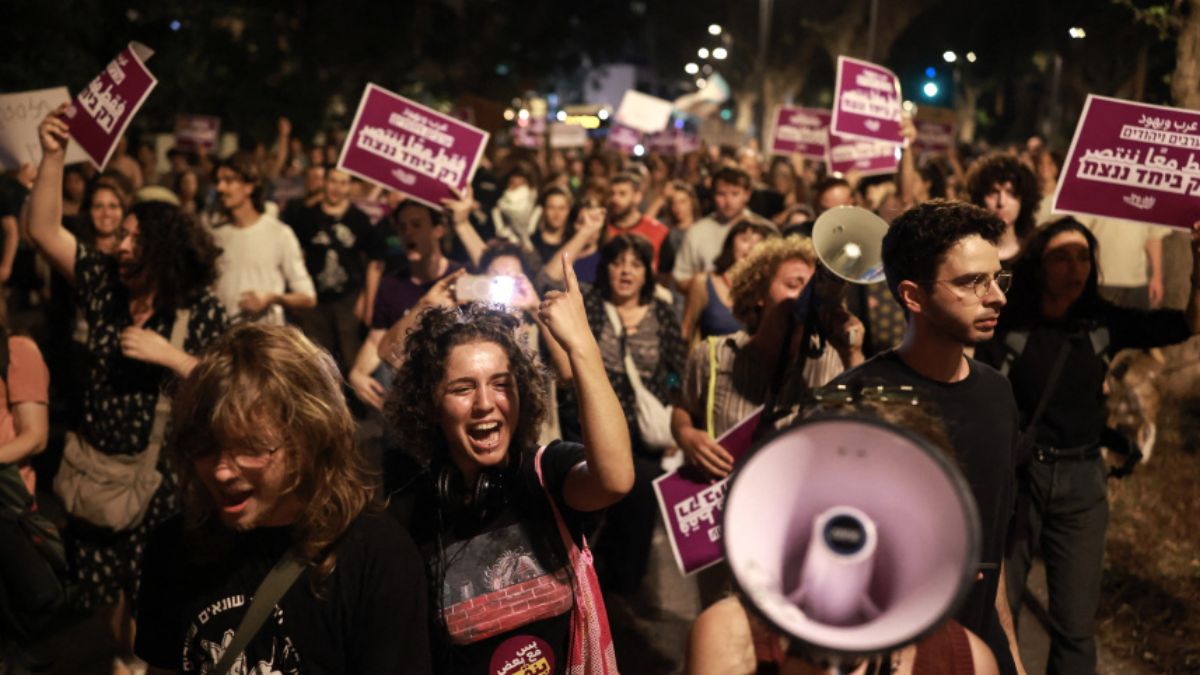
Meanwhile, ongoing coalition negotiations inside parliament are mirrored by public demonstrations across Tel Aviv, Jerusalem, and Haifa, where citizens are protesting to demand a joint Jewish-Arab unity government.
Partial results place Netanyahu’s right-wing bloc at 53 seats and Gadi Eisenkot’s opposition alliance at 48 seats, with Arab-led parties taking a landmark 19 seats. At least 61 seats are required to form a majority government. Outstanding absentee ballots—including votes from military personnel, diplomats, and prisoners (known as “double envelope” ballots)—are still being processed.
Pro-Coalition Faction: Yair Golan, leader of the left-wing The Democrats, publicly urged opposition figures to partner with Arab parties, calling it a final opportunity to oust Netanyahu, safeguard judicial independence, and restore public trust. Joint List leaders Yousef Jabareen and Ahmad Tibi also offered cooperation to forge an alternative administration.
Prominent opposition leaders Naftali Bennett, Avigdor Liberman, and Gadi Eisenkot previously opposed building a government dependent on Arab party support. Whether they revise their stances remains pivotal to resolving the deadlock.
Around 300 demonstrators gathered at Paris Square in Jerusalem, Mesila Park in Tel Aviv, and UNESCO Square in Haifa. Carrying placards reading “Freedom for all from the river to the sea” and “We want a Jewish-Arab government,” protesters demanded an inclusive, anti-discriminatory political system.

