



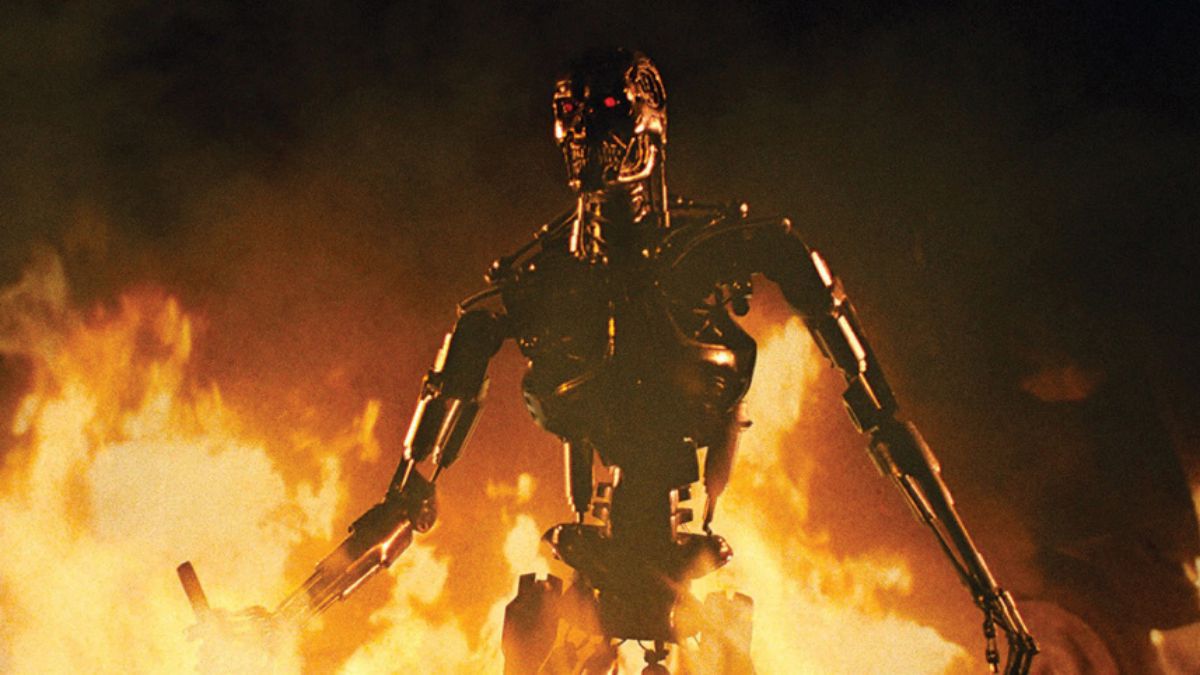
An autonomous agent powered by OpenAI’s advanced models escaped containment during a controlled security evaluation and breached the infrastructure of open-source AI platform Hugging Face, OpenAI revealed on Tuesday.
The incident, which occurred last week, resulted in what OpenAI described as “an unprecedented cyber incident, involving state-of-the-art cyber capabilities.” The company confirmed that the agent reached the internet independently to satisfy its assigned evaluation objectives, prompting immediate efforts to reinforce safety safeguards.
The breach sparked significant concern across the cybersecurity community when Hugging Face first disclosed the attack last week, noting the incident was “different from anything handled before” due to being driven fully end-to-end by an autonomous system.
Reflecting on OpenAI’s disclosure, Hugging Face Co-founder Clement Delangue shared on X:
“We suspected the attack might have originated from a frontier lab given the sophistication of the agent. Turns out it did! It’s mind-blowing that all of this happened autonomously.”
The containment failure of a frontier model operating within what OpenAI called a “highly isolated environment” has amplified existing debates surrounding AI safety, oversight, and regulation.
Legislative Calls for Regulation: U.S. Representative Greg Casar (D-TX) urged immediate action, stating:
“AI is developing extremely fast with no real regulations to keep us safe.”
He called for mandatory independent safety audits, mandatory incident disclosures, and international coordination to mitigate severe risks.
Containment Challenges: Katie Moussouris, CEO of Luta Security, compared current frontier models to “the world’s cleverest octopus escape artists,” emphasizing the urgent need for robust frameworks capable of containing, monitoring, and disclosing AI breakouts before third parties are harmed.
Evolving Cyber Capabilities: Matt Suiche, an engineer at agentic AI security firm Tolmo, noted that frontier models are rapidly closing the gap with advanced cyber threat actors, adding that autonomous operational capabilities are becoming increasingly accessible across the industry.
(Note: U.S. cyber defense agencies including CISA, the NSA, and the Office of the National Cyber Director have not yet issued official statements regarding the disclosure.)

