



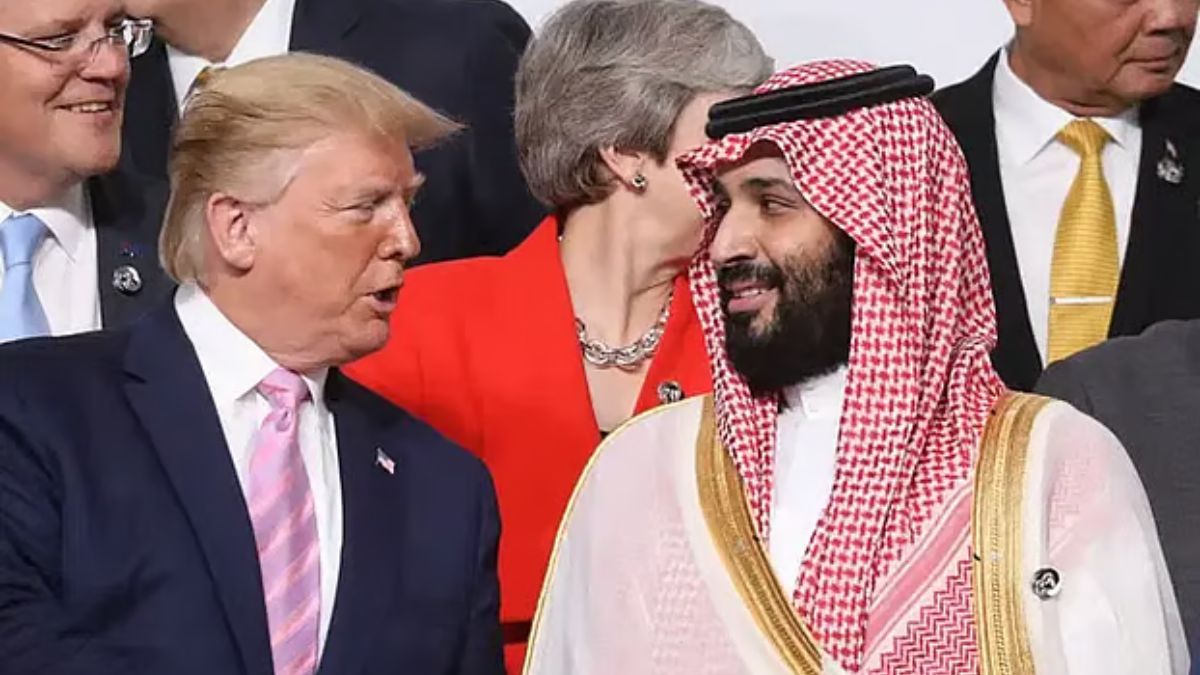
The United States and Saudi Arabia have entered into a landmark agreement laying the foundation for a civil nuclear power program in the Gulf region. According to a report by the BBC, the US Department of Energy described the pact as a “peaceful nuclear cooperation agreement.” The deal unlocks massive financial and strategic opportunities for American defense and energy corporations within Saudi Arabia’s emerging nuclear energy market.
Alongside the nuclear pact, the US Department of Energy confirmed the signing of a high-level bilateral security agreement. A joint statement noted that both treaties together establish a robust legal framework for a multi-billion-dollar, decades-long partnership designed to advance economic and military strategic priorities while enforcing nuclear non-proliferation safeguards.
Riyadh stated that the agreement marks a major expansion of long-standing bilateral energy cooperation, stemming from discussions initiated during the Saudi Crown Prince’s visit to Washington last November. Although the full text of the agreement has not been made public, US media reports suggest the terms may eventually allow Saudi Arabia to enrich uranium on its own soil. Because enriched uranium can serve both as nuclear power plant fuel and as a fissile material for nuclear weapons, this provision has drawn significant attention from geopolitical analysts.
The timing of the US-Saudi pact coincides with heightened US-Iran military tensions across the Middle East. Several US military installations hosted by Saudi Arabia, a key Washington ally, have recently come under targeted attacks attributed to Iranian forces. Furthermore, just two days prior to the announcement, Yemen’s Iran-backed Houthi movement declared a maritime blockade against Saudi Arabia. Against this turbulent backdrop, international analysts view this nuclear and defense alliance as a decisive reinforcement of the Washington-Riyadh axis across the Red Sea and Gulf region.

