



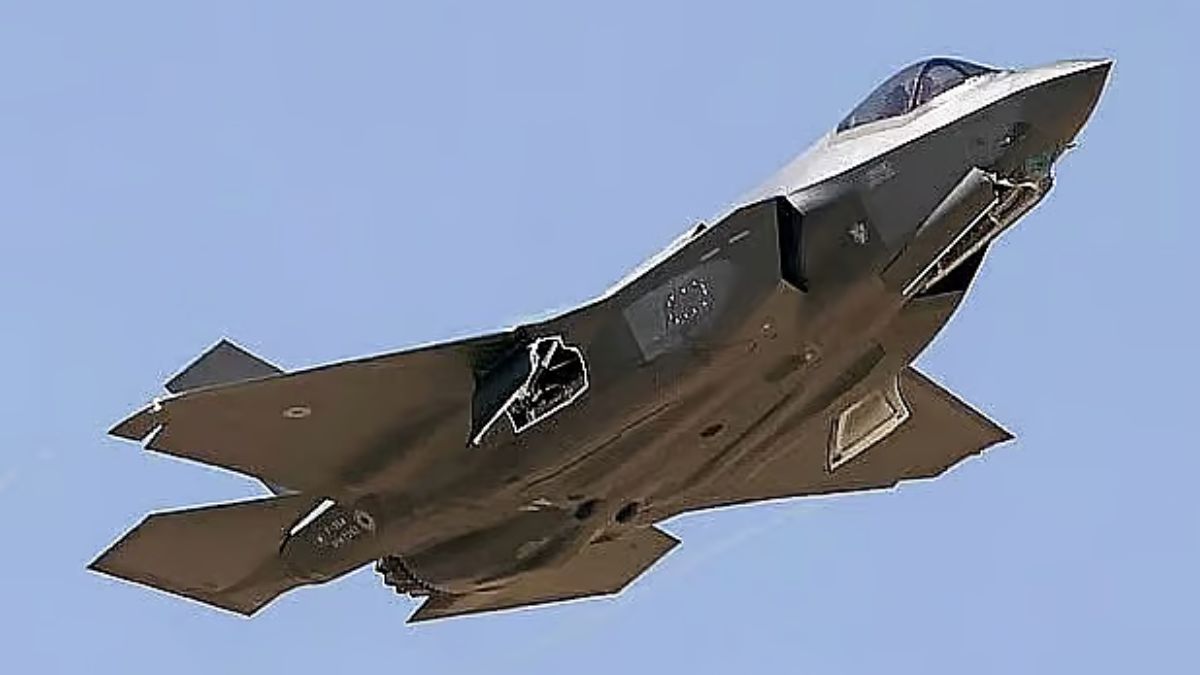
five-day pause, the United States launched a new wave of heavy airstrikes against Iran. In response to casualties caused by the Wednesday night strikes, Tehran initiated retaliatory attacks across the Middle East. Iran’s Islamic Revolutionary Guard Corps (IRGC) targeted U.S. bases in Kuwait and Jordan overnight, making the sensational claim that it destroyed three American F-35 fighter jets at an airbase in Jordan.
With ongoing Israeli military actions in Gaza, Lebanon, and Syria, alongside heightened tensions in the Red Sea and the Strait of Hormuz, the conflict has spread across large parts of the region.
Immediately following the U.S. strikes on Wednesday night, the IRGC warned of severe retaliation and subsequently targeted the Al-Azraq airbase in Jordan and the Ali Al-Salem base in Kuwait with missiles and drones.
Strike in Jordan: The IRGC claimed that its attack on the Al-Azraq airbase resulted in the total destruction of three U.S. F-35 fighter jets—among the most advanced in the world—and damaged three others. However, the U.S. military promptly denied these claims.
Strike in Kuwait: At the Ali Al-Salem base in Kuwait, Iran claimed to have destroyed two drone hangars and a fuel storage tank. The Kuwaiti government reported that a civilian building belonging to a Chinese firm was damaged, resulting in the death of one worker.
U.S. Central Command (CENTCOM) stated that the latest strikes were conducted in retaliation for a previous attack on a U.S. base in Jordan. More than 50,000 U.S. troops remain deployed across the Middle East.
Reports indicate significant impacts inside Iran:
Qeshm Island: 3 civilians killed.
Zanjan Province: 3 IRGC members killed.
Other Affected Areas: Bushehr, Ahvaz, Fars, Kish Island, and the strategic port of Bandar Abbas.
Trita Parsi, a researcher at the Quincy Institute, told Al Jazeera: “This attack by Trump is clearly a mistake. Bombing Iran has not brought them back to the negotiating table; at this point, the strikes seem driven purely by retaliation.”
Beyond the direct U.S.-Iran confrontation, violence continues to surge across several other fronts:
Southern Lebanon & Syria: Israeli forces bombed several villages in southern Lebanon overnight, including Al-Mansouri and Majdal Zoun, aiming at Hezbollah positions. Airstrikes were also reported in Quneitra, Syria.
Casualties in Gaza: Continued Israeli strikes in the Gaza Strip pushed the overall reported death toll to 73,341, according to local health authorities.
New Military Dynamics: For the first time since the onset of the current conflict, Saudi Arabia joined the U.S. in conducting joint strikes in Iraq. Meanwhile, Saudi territory faces ongoing attacks from Yemen’s Houthi movement.
Strait of Hormuz Disruption: Disputes over major maritime routes—the Strait of Hormuz and the Bab al-Mandab Strait—have effectively halted commercial shipping in those vital energy corridors.
Diplomatic initiatives appear stalled despite earlier indications. While U.S. President Donald Trump had previously hinted that talks were progressing, his pre-strike comments to Fox News—”We are going to hit them very hard… They will be punished hard”—marked a shift toward further military action.
Farhan Haq, spokesman for UN Secretary-General António Guterres, expressed deep concern, warning that substituting diplomacy with ongoing military tit-for-tat risks escalating the conflict beyond control. Although nations like Pakistan and Oman continue efforts to mediate and keep the Strait of Hormuz open, the preference for military force presents major hurdles to peaceful negotiation.

