



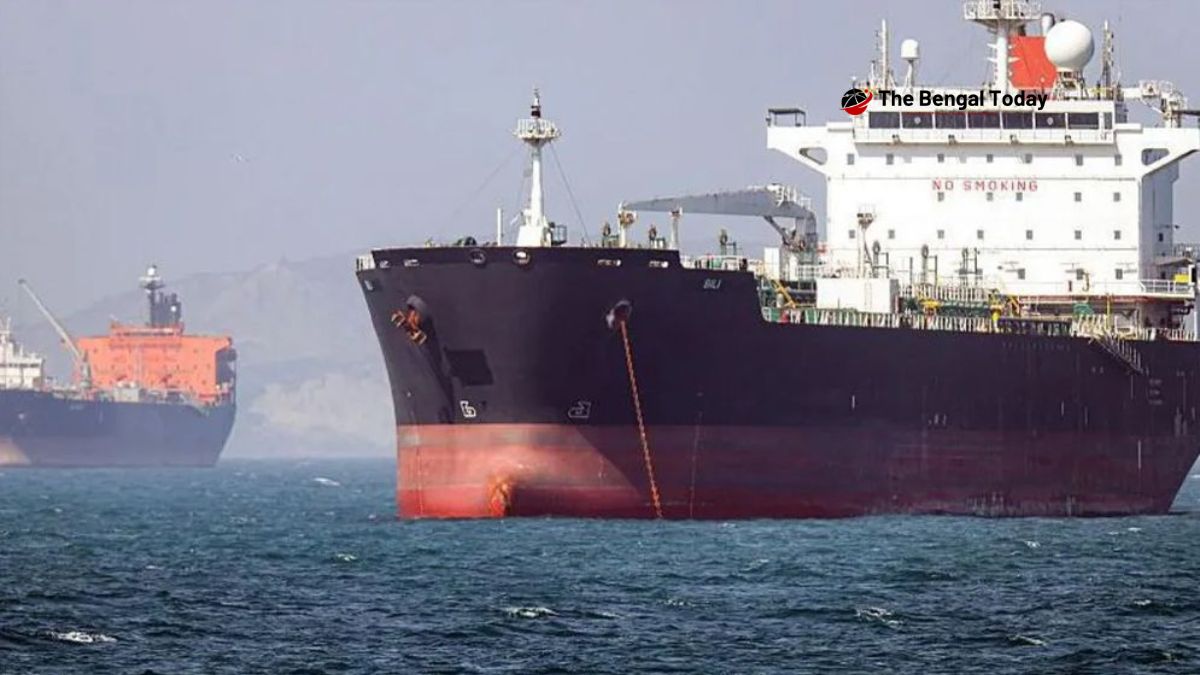
Oil prices fell sharply in the international market following optimism that the strategically vital Strait of Hormuz could soon reopen for maritime traffic. On Tuesday (August 4), right after encouraging remarks from US officials, the international benchmark Brent crude dropped nearly 5 percent to fall below $80 per barrel, marking its lowest level in three weeks, BBC reported.
On the same day, West Texas Intermediate (WTI) crude in the United States also fell by over 5 percent to settle at $76 per barrel. This downward trend brought both major crude benchmarks to their lowest levels since July 13.
US Secretary of State Marco Rubio stated that progress has been made through discussions with Iran and Oman to normalize commercial shipping through the Strait of Hormuz. Although a final agreement has not yet been concluded, he expressed confidence that a positive consensus could be reached very soon.
Conversely, Iran denied holding direct negotiations with the United States. However, Tehran confirmed that discussions mediated by Oman regarding a new framework for safe passage through the strait are moving in a positive direction.
The Strait of Hormuz has recently served as the epicenter of US-Iran tensions:
Global Significance: Prior to the escalation of conflict in late February, approximately one-fifth (20%) of the world’s daily supply of petroleum and Liquefied Natural Gas (LNG) passed through this maritime choke point.
Blockades and Disruption: During the conflict, Tehran restricted most vessel traffic through the strait. In response, US forces implemented a naval blockade targeting Iranian ports in the region.
Alternative Routes and Houthi Attacks: After the closure of Hormuz, the Red Sea route emerged as an alternative. However, starting July 20, Iran-backed Houthi rebels in Yemen imposed a blockade on Saudi Arabia’s Red Sea coastal ports. Recent consecutive attacks on commercial vessels have rendered this alternative pathway increasingly hazardous.

