



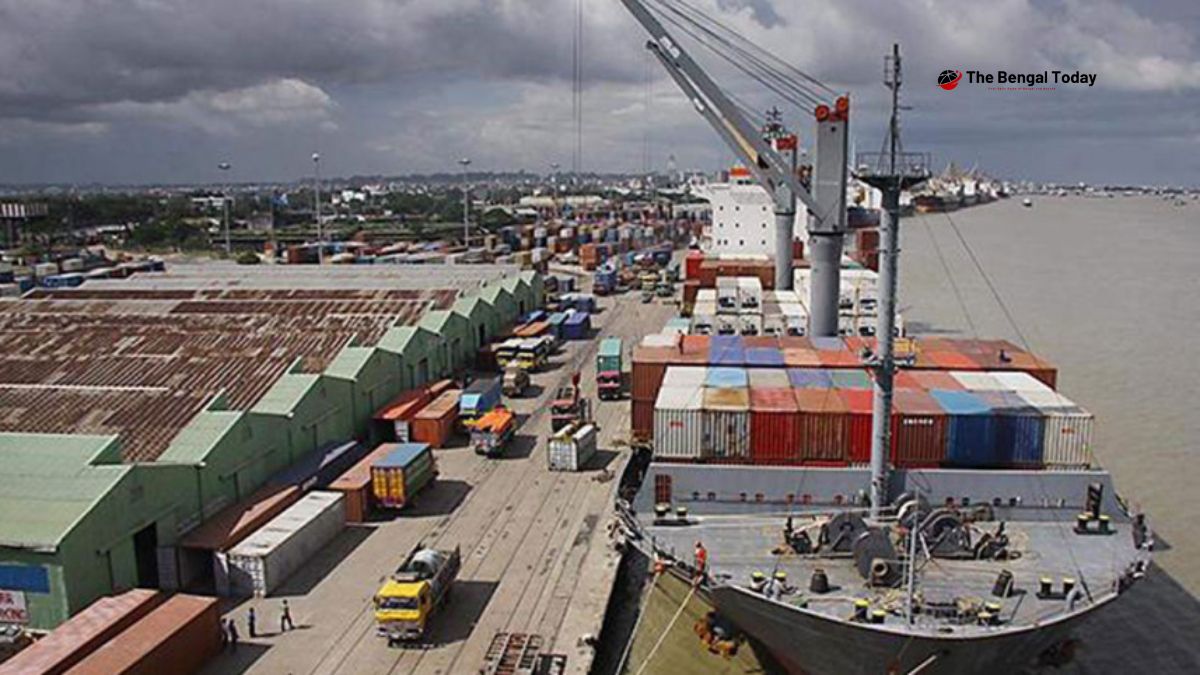
A massive international trade fraud has been exposed where goods remained inside domestic factories, yet custom system logs falsely reflected their arrival at Chittagong Port and subsequent loading onto ships. Documents were forged to show approximately BDT 24 crore (nearly $2 million USD) in fake or “ghost” exports without physically shipping any cargo to the port or designated Inland Container Depots (ICDs).
An investigation revealed that taking advantage of the Eid-ul-Adha holiday period, at least seven garment exporters laid a web of fraud involving 122 suspicious consignments. Verification by customs and ICD authorities has confirmed at least 29 of these consignments to be 100% fraudulent exports.
Exploiting the bonded warehouse facility, dishonest traders imported tax-free raw materials intended for export processing but illegally sold them in the local market—evading duties ranging from 89% to 159%. Fraudsters then generated fake clearance documents inside the National Board of Revenue’s (NBR) ASYCUDA World system using forged signatures of custom officers, such as Assistant Revenue Officer Tanjina Jannat Ivy.
By orchestrating this scheme, the syndicate secured three illegal advantages:
Tax Avoidance: Cleared customs accountability for imported raw materials sold domestically.
Incentive Fraud: Claimed the government’s 2% cash incentive on fake export receipts.
Money Laundering: Legitimized illicit offshore fund transfers via over-invoiced import channels.
Research institution Centre for Policy Dialogue (CPD) noted that recurring ghost exports explain the anomalous $4 billion gap between Export Promotion Bureau (EPB) and Bangladesh Bank figures. While Chittagong Customs ICD Commissioner Abul Bashar Md. Shafiqur Rahman confirmed the formation of an inquiry committee, trade experts emphasize that dismantling this international racket requires a comprehensive forensic audit of the ASYCUDA World system rather than isolated arrests.

