



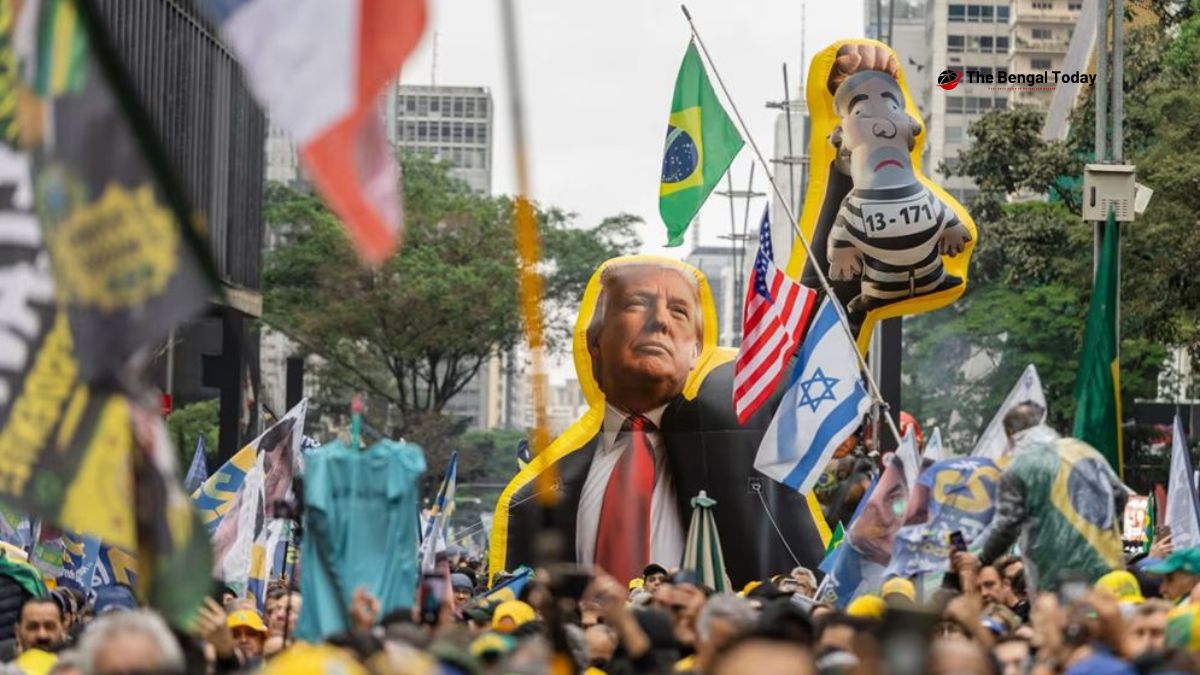
Amid persistent corruption scandals, intense political polarization, and growing voter fatigue, millions across Brazil—the world’s fifth-largest nation—cast their ballots in the presidential election on Sunday (October 4, 2026). The showdown pits two iconic political forces against each other: incumbent left-wing President Luiz Inácio Lula da Silva and right-wing Senator Flávio Bolsonaro, son of imprisoned former president Jair Bolsonaro. The outcome is set to define Latin America’s future strategic and political orientation.
While recent polls show 80-year-old President Lula holding a slim lead, neither candidate is projected to secure over 50% of the vote, making a runoff election on October 25, 2026, highly probable.
Beyond domestic governance, the election carries significant weight for global power balances, BRICS dynamics, and U.S.–Latin American relations:
Foreign Policy & Trump Tariff Clash: President Lula has championed multilateralism and strengthened economic ties with China while rejecting U.S. tariffs and intervention, declaring, “Brazil is nobody’s backyard.” Conversely, Flávio Bolsonaro has built a conservative alliance backed by U.S. President Donald Trump, Israeli Prime Minister Benjamin Netanyahu, and Argentine President Javier Milei.
Crime & Security Debates: Flávio Bolsonaro promised tough-on-crime policies—designating major criminal cartels as terrorist organizations, building new federal prisons, and lowering the age of criminal responsibility to 16. The Lula administration opposed the cartel designation, warning it could invite foreign intervention.
Bank Master Scandal & Corruption Fatigue: Political analyst Brian Winter termed the mood “Apathetic Polarization.” With the recent ‘Bank Master’ scandal entangling both Supreme Court Justice Alexandre de Moraes and members of the Bolsonaro camp in money laundering allegations, neither political faction holds a moral high ground, deepening public distrust in the entire system.

