



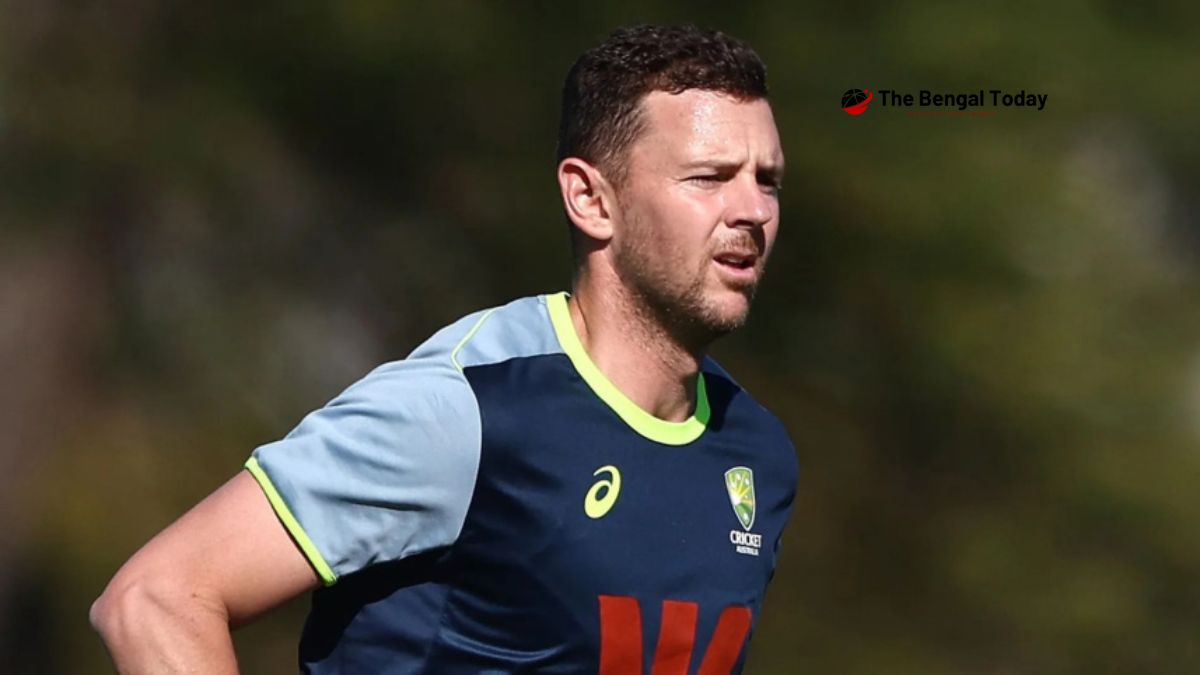
With more than 400 professional matches under his belt, Josh Hazlewood possesses an intimate knowledge of the world’s best batters, including their strengths and vulnerabilities. However, heading into the first Test against Bangladesh, that familiar bank of data might not prove as useful for the veteran Australian pacer.
There are two primary reasons for this. First, Australia rarely gets the chance to play against Bangladesh, particularly in Test cricket. Hazlewood missed the last Test series between the two sides in 2017 and was rested during Australia’s tour of Bangladesh last June. Consequently, across a 15-year international career, the 34-year-old pacer has played just nine matches against the Tigers, with his last three appearances coming in limited-overs World Cups.
Added to this is a new factor: Australia is returning to Darwin for a Test match after a 22-year hiatus. Even though it is a home series, Marrara Stadium’s pitch and weather conditions present an unfamiliar puzzle for the hosts.
Sharing his thoughts on the Unplayable Podcast, Hazlewood noted, “We are going in with quite a few unknowns. The ground in Darwin itself is unfamiliar territory for us. In particular, the pitch and the opposition under these conditions make it a completely new experience. But despite the uncertainty, I find it quite exciting. While video footage offers an initial idea of their batters’ techniques, the real work has to be done out on the pitch. Having to adapt our plans on the fly brings a fresh feel to the game.”
Former Australian pacer Kane Richardson, co-host of the podcast, offered a word of caution to the home team’s bowling unit. He noted that due to Darwin’s dry and hot weather, the drop-in pitch at Marrara Stadium might prove to be on the slower side.
“It won’t be a fast and bouncy surface like the ones at Perth Stadium or the Gabba,” Richardson explained. “You might not get the extra swing or seam movement typical of standard Australian wickets. In fact, due to the low bounce, the conditions could end up closely resembling what Bangladesh is accustomed to at home.”
Holding 295 Test wickets to his name, Hazlewood agreed that while tactical adjustments may be necessary, his fundamental approach remains simple. “Test cricket planning isn’t overly complex,” Hazlewood remarked. “The core idea is to consistently hit your areas and maintain that process over long spells. Small tweaks may be needed as the match evolves, but overall, keeping it simple works best.”

