



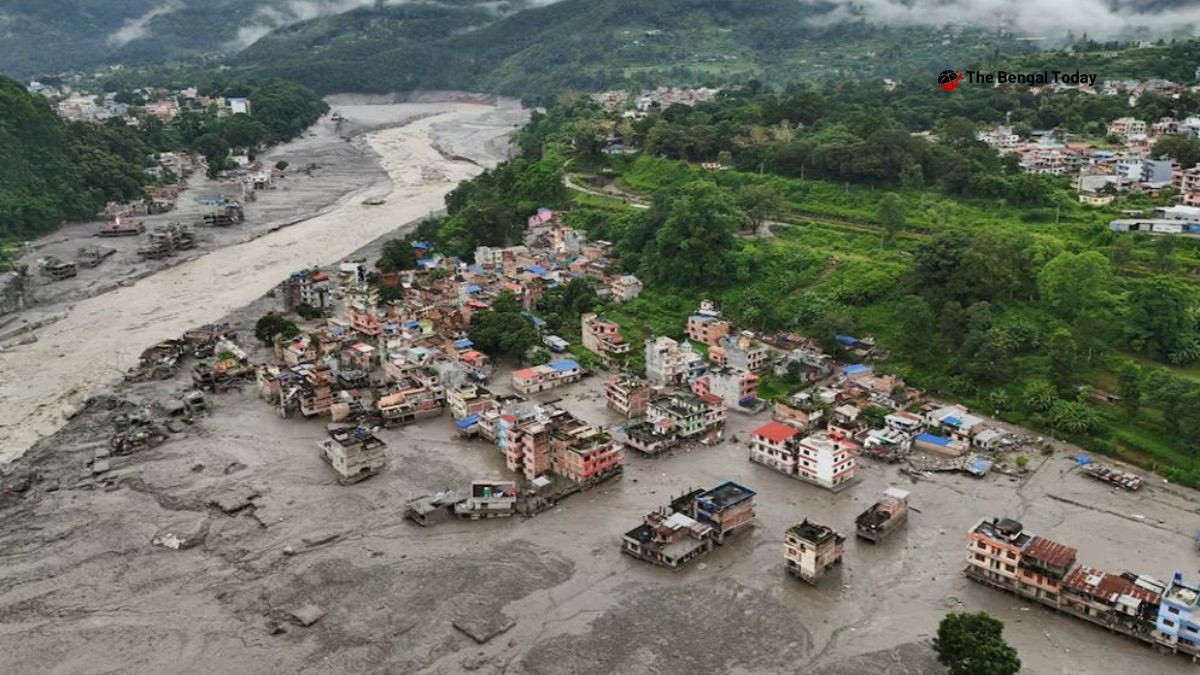
The death toll from devastating flash floods, torrential mudflows, and continuous landslides across the mountainous Nepal-China border region has surged to 1,243. Disaster management officials and local authorities have confirmed that at least 4,500 people remain missing in the wake of the catastrophic natural disaster.
According to the latest reports issued on Thursday (September 3, 2026) by the Ministry of Home Affairs of Nepal and international agencies, sudden torrents of thick mud and rockslides completely buried entire hillside settlements and several remote villages. Severe damage to primary highways, total power grid collapses, and crushed telecommunication infrastructure have severely hindered rescue operations across isolated Himalayan valleys.
Over 10,000 personnel from the Nepalese Army and Armed Police Force are carrying out search-and-rescue operations despite hostile weather conditions. International disaster response units from China, India, and specialized global rescue teams have deployed heavy machinery to assist in clearing debris. Thousands of displaced survivors are stranded in temporary camps, facing acute shortages of clean drinking water, food rations, and medical supplies. In response to the unprecedented devastation, the Government of Nepal is preparing to formally demand ‘Climate Compensation’ from major carbon-emitting industrial nations, holding them accountable for climate-induced disasters affecting vulnerable Himalayan states.

