



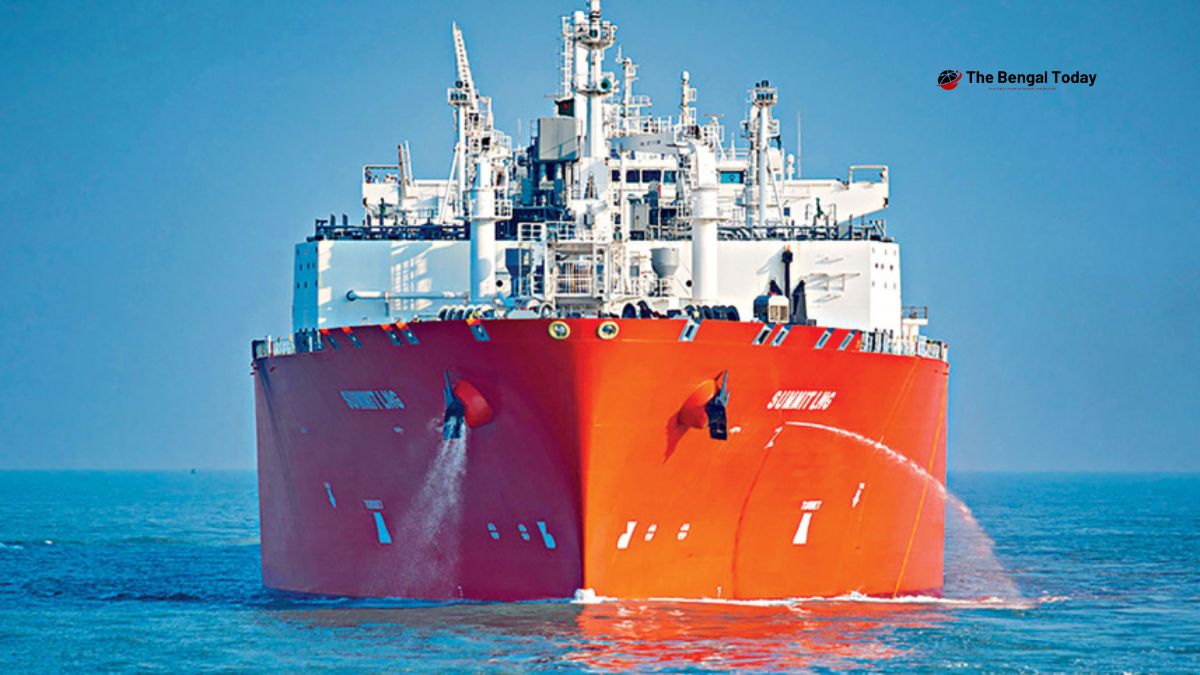
The nationwide gas crisis, now entering its fourth consecutive week, took a catastrophic turn on Thursday afternoon as the Summit floating LNG terminal (FSRU) completely ran out of reserve gas, triggering a severe supply breakdown across the national grid. Heavy seas and adverse weather prevented a waiting LNG tanker from berthing at the terminal since Monday, plunging total LNG supplies from the usual 1,000 million cubic feet per day (mmcfd) to under 300 mmcfd. Consequently, total national gas supplies dropped to just 1,930 mmcfd against a daily demand of 3,800 mmcfd.
The severe gas deficit has severely disrupted power generation, causing midnight blackouts across Dhaka’s DPDC and DESCO networks. In rural and peripheral regions managed by the Bangladesh Rural Electrification Board (BREB), load shedding has escalated to 8–12 hours daily. State Minister for Power and Energy Iqbal Hasan Mahmud Tuku expressed frustration, acknowledging that the government has no immediate alternative until the damaged FSRU operated by US-based Excelerate Energy is fully restored by engineers.
Deprived of grid power and natural gas, industrial manufacturers have been forced to run heavy diesel generators, driving production costs to unsustainable levels. Syed Nasim Manzur, President of the Leather Goods and Footwear Manufacturers & Exporters Association of Bangladesh (LFMEAB) and Managing Director of Apex Footwear, stated that their fuel expenses surged by 390% due to abnormal diesel usage. Similarly, apparel exporter Snowtex Group reported a 150% rise in energy expenditure.
Business leaders warn that persistent energy uncertainty is sparking serious doubts among international buyers regarding timely shipment schedules, threatening Bangladesh’s long-standing global reputation as a reliable manufacturing hub.

