



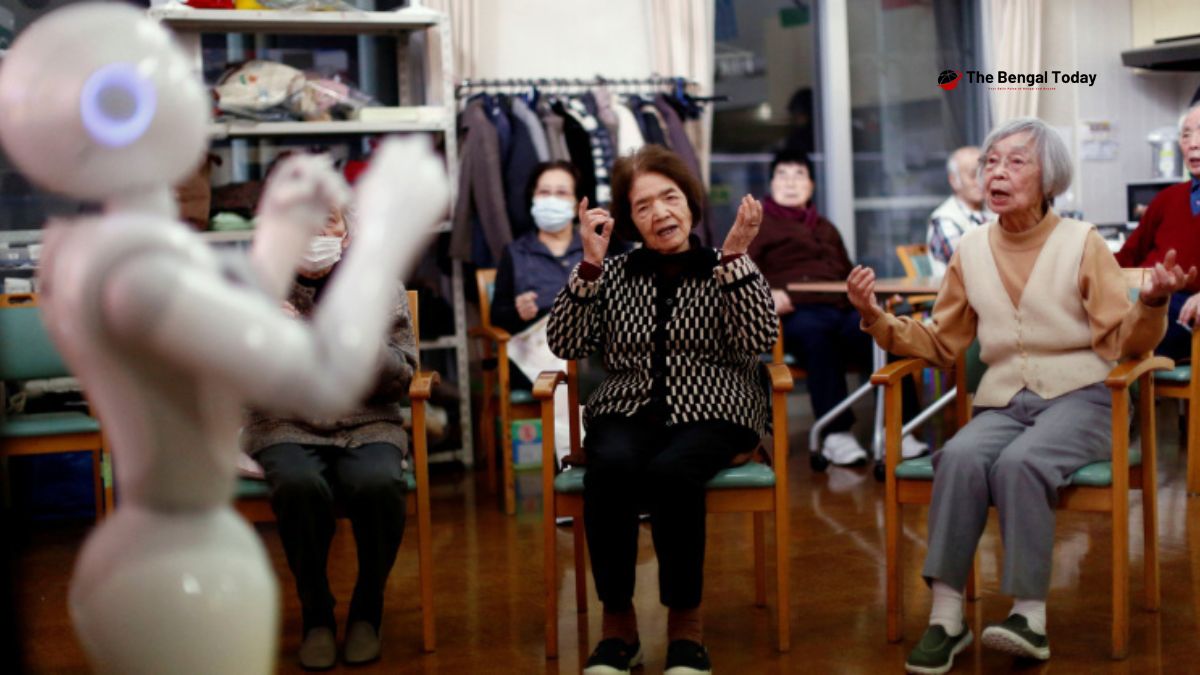
Japan’s centenarian population has officially crossed the historic milestone of 100,000 for the first time. According to the latest statistics released by the Ministry of Health, Labour and Welfare, Japan currently boasts 107,677 citizens aged 100 or older—the highest figure recorded by any country worldwide. Women make up 88% of this total.
Ministry data identifies Japan’s oldest living woman as 114-year-old Fuyo Kishimoto from Kyoto, while the oldest living man is 112-year-old Hikaru Kato from Kumamoto. Health Minister Kenichiro Ueno lauded the remarkable longevity and active lifestyles of such a large population segment as a triumph of modern medicine and healthcare technology. However, he also emphasized the growing challenge of sustaining social security and healthcare infrastructure for an aging society.
Health experts attribute this exceptional longevity to Japan’s nutrient-rich diet and daily physical engagement. Unlike Western diets high in saturated fats, the traditional Japanese diet relies heavily on fish, vegetables, and rice. Additionally, routine physical habits—such as walking, cycling, and using public transport into advanced age—help maintain long-term mobility and wellness.

